


prp, prf, exosomes and the future of regenerative treatments
A few drops of your own blood, prepared in the clinic and returned to the skin where it’s needed. Tiny messengers that help cells communicate and repair. Not long ago, it sounded like science fiction. Today, regenerative treatments are one of the fastest-growing fields in cosmetic medicine. At UMA Clinic in Amsterdam, too, demand for PRP, PRF, exosomes and biostimulators keeps rising.
The idea behind them is simple, yet radical. Instead of adding something to the skin, regenerative treatments help the body do what it already does: repair, renew and produce collagen. For cosmetic doctor KNMG Jani van Loghem, founder of UMA Clinic, that shift is part of a much bigger movement within medicine.
“It fascinates me that we keep discovering more about the way the body can repair itself.”
regenerative treatments at a glance
- PRP and PRF are made from your own blood
- exosomes are tiny vesicles that cells use to communicate with each other
- regenerative treatments support the skin’s natural ability to recover
- according to Jani, every innovation calls for a critical, scientific eye
from adding to activating
For years, cosmetic medicine was mainly about correcting: a filler to restore volume, botox to relax a muscle. Regenerative treatments start from a different question. What does the skin need to recover by itself?
PRP (Platelet Rich Plasma) and PRF (Platelet Rich Fibrin) are made from your own blood. After a short preparation, you get a concentrate of platelets and growth factors that can support the skin’s recovery. Exosomes work at an even smaller level: they’re tiny vesicles that cells use to pass signals to each other.
new regenerative treatments, with a critical eye
New treatments get a lot of attention, on social media and in clinics alike. Jani welcomes that enthusiasm, but he always weighs it against the evidence.
“Every innovation starts with enthusiasm. That’s good. But curiosity should always go hand in hand with science.”
It’s an attitude he learned at home.
“My grandparents were scientists. They taught me never to accept something just because it’s new or popular. You have to understand why it works.”
how do prp, prf and exosomes work?
What appeals to Jani is that all three build on processes the body already knows. There’s nothing foreign about them. They simply help the skin do its own work better.
“The body has an impressive ability to repair itself. We’re starting to understand better and better how we can support that process.”
That doesn’t mean, he stresses, that science already has all the answers.
“Quite the opposite. There are still many questions. And that’s what makes the field so interesting.”
what does science say about regenerative treatments?
Jani’s advice to clients: look beyond the marketing claims. A treatment that works well for one person isn’t automatically right for everyone. Your skin, your concern and your expectations all matter.
“The right question isn’t just: does it work? It’s also: who does it work for, why does it work and what don’t we know yet?”
He passes on that same critical eye to the doctors he trains internationally at UMA Academy. Understanding comes first, injecting second.
“I want doctors to understand what happens biologically. Only then can you treat responsibly.”
the future is regenerative
Despite all the open questions, Jani has no doubt about the direction medicine is taking. Regenerative treatments are moving from niche to norm, in cosmetic medicine and far beyond.
“I think regenerative treatments will play an increasingly important role in the coming years. Not only in cosmetic medicine, but in medicine as a whole.”
And what inspires him most?
“That we’re only at the beginning of what we understand. And that there’s still so much to discover.”
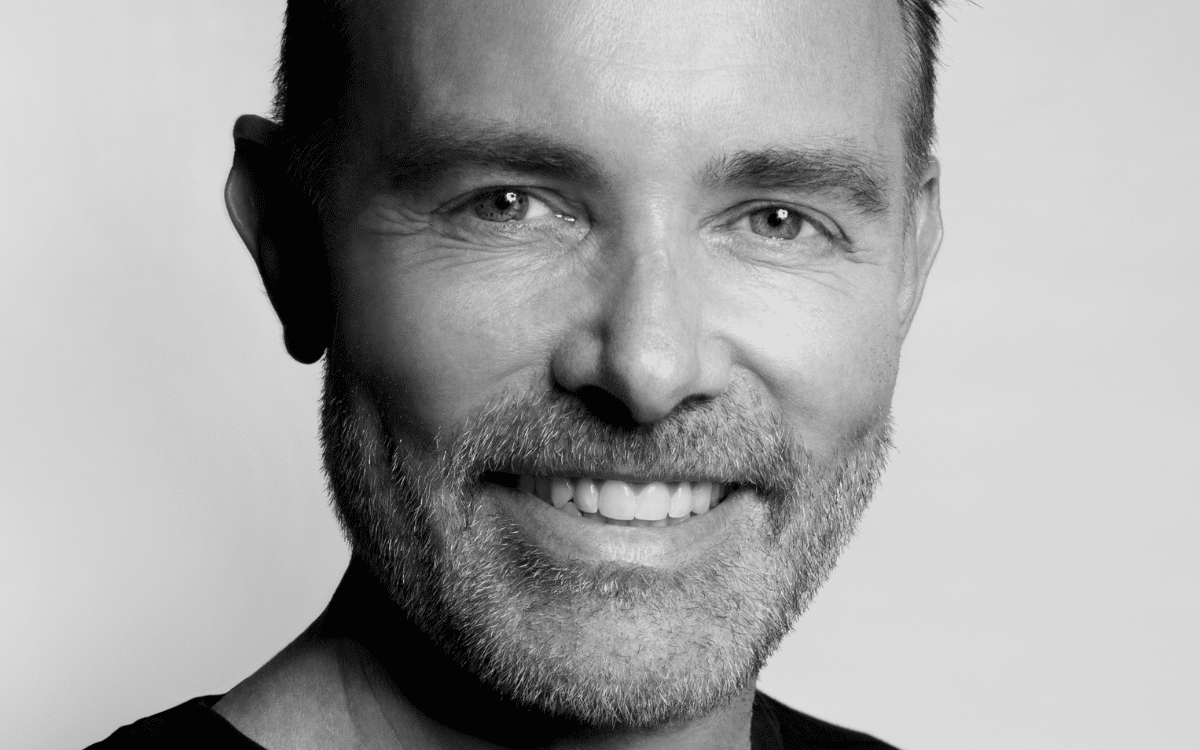
Wondering whether regenerative treatments suit your skin? Book a complimentary consultation at UMA Clinic in Amsterdam and get personal advice from cosmetic doctor KNMG Jani van Loghem.

about Jani van Loghem
Dr. Jani van Loghem is a cosmetic doctor KNMG and the founder of UMA Clinic in Amsterdam. He is an international trainer and speaker in the field of injectables, anatomy and regenerative medicine. Through UMA Academy, Jani trains doctors from the Netherlands and abroad in injection techniques and advanced aesthetic treatments. In Amsterdam, he welcomes specialists from all over the world for hands-on training and live demonstrations.
frequently asked questions about regenerative treatments
Regenerative treatments support the body’s natural ability to recover, for example by stimulating collagen production. Examples are PRP, PRF, exosomes and biostimulators.
Both are made from your own blood. PRP (Platelet Rich Plasma) uses the plasma with platelets. PRF (Platelet Rich Fibrin) also contains fibrin, so the growth factors are released more gradually.
Exosomes are tiny vesicles that cells use to communicate with each other. In cosmetic medicine, they’re used to support the recovery and quality of the skin. At UMA Clinic, we work with Exosmart for this.
For anyone who wants to improve the quality of their skin and prefers a subtle, natural-looking result. Whether a treatment suits you is something you discuss with a cosmetic doctor during a complimentary consultation.
Usually not. Because your body does the work itself, the result builds gradually, often over a period of weeks to months.
Injecting is a medical procedure and belongs with a doctor. At UMA Clinic, we work with cosmetic doctors KNMG. You can read more about this protected title on the website of the Dutch government (in Dutch).
curious what we can do for you?
what other
people say

Ping

Amarante

Nick
reviews
UMA Clinic has an average
rating of 4.8 stars on Google.
